Twitch's Split Was Fifty-Fifty Until It Wasn't
The platform's standard revenue share for streamers has always been 50/50 — except for the partners who quietly held something better, until Twitch said they couldn't anymore.
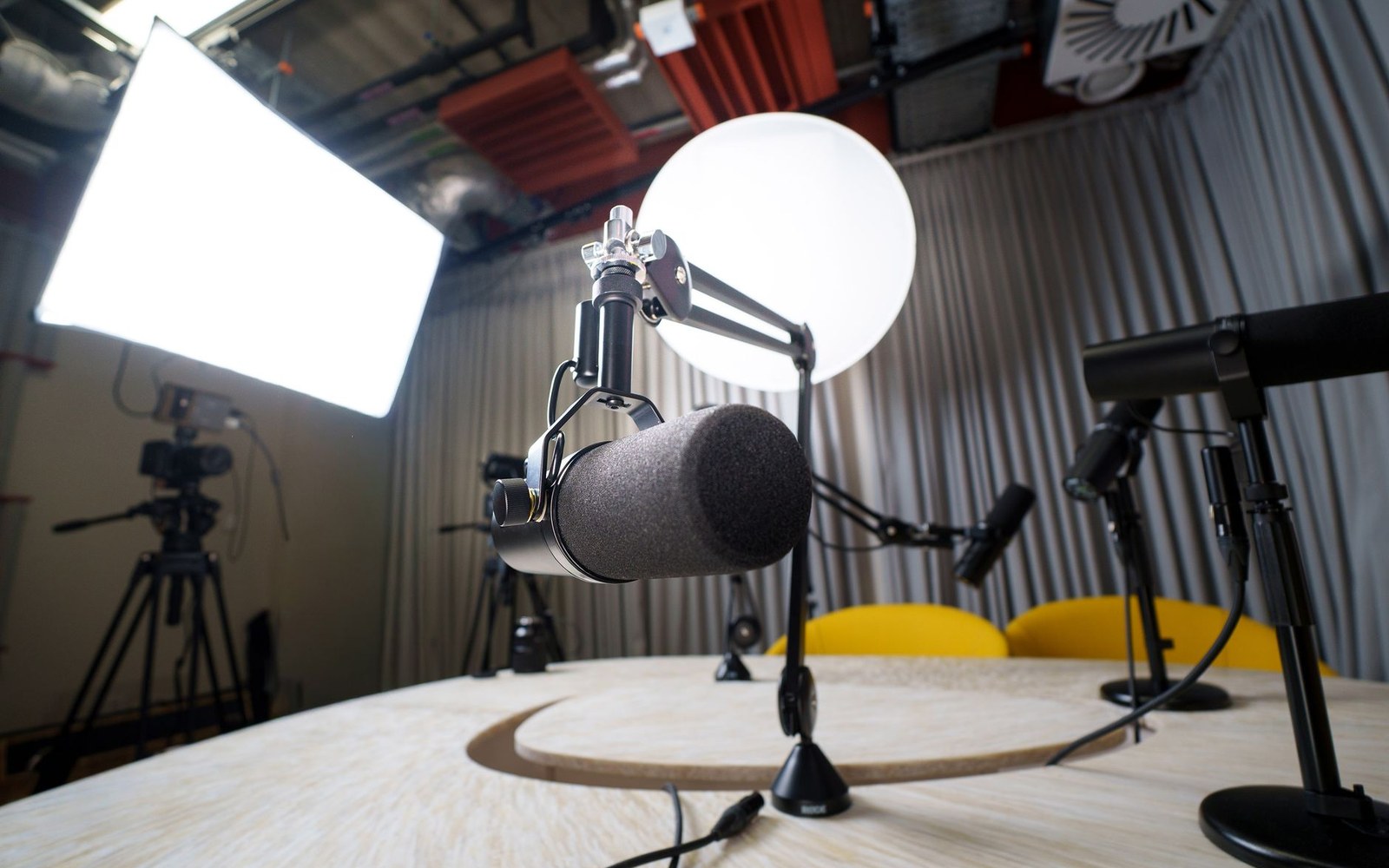
The fifty-fifty split was the standard; the seventy-thirty arrangement was the exception being withdrawn.
Photo: Jakub Zerdzicki / PexelsThe Standard Rate, and the Exception That Ran for Years
Twitch's published Partner Programme agreement has long set subscriber revenue at a 50/50 split: for every subscription sold on a partner's channel — priced at $4.99, $9.99, or $24.99 per month — Twitch retains half and the streamer receives half. Affiliates, the tier below Partner, operate under the same terms. The structure is straightforward in a way that most platform revenue arrangements are not.
What complicated that picture was a cohort of larger, earlier-signed partners who had negotiated individually and held 70/30 deals — meaning those streamers kept seventy cents of every dollar their subscribers generated. Twitch did not publicise how many partners held such agreements or what the threshold for qualifying was. The deals were non-public; their existence became widely known through reporting and streamer disclosures rather than any formal platform announcement.

The schedule, as the store publishes it.
Photo: Wikimedia CommonsIn June 2023, Twitch posted a public blog entry announcing that the 70/30 arrangements would end. The company set a cap: no partner, going forward, would receive more than a 70/30 split on the first $100,000 in annual subscription revenue, after which the rate would revert to 50/50. Partners already earning above that threshold on their legacy deals would see their rates adjusted accordingly. Twitch framed the policy as a move toward consistency across the partner base.
The announcement prompted immediate public criticism from several prominent streamers, some of whom had built business plans around their existing splits. The platform acknowledged pushback in a follow-up post but maintained the cap. By the end of 2023, the grandfathered 70/30 agreements were effectively closed as a category.
The 2023 change landed in a context already shaped by broader streamer movement. In the two years prior, several high-profile Twitch exclusives had migrated to YouTube, whose partner programme offers a 55% revenue share on ad revenue — comparable to Twitch's standard rate, though structured differently. Whether the elimination of Twitch's premium tier accelerated further departures is difficult to establish from public data alone.
What the public record does establish is the trajectory: a 50/50 standard rate that was always the baseline, a period in which a subset of partners held materially better terms, and a 2023 policy that brought those partners back to a tiered structure capped at 70/30 on the first $100,000. The baseline for most streamers never moved.
| Standard Partner split | 50/50 (streamer keeps 50%) at all subscription tiers |
| Subscription price tiers | $4.99 / $9.99 / $24.99 per month |
| Legacy 70/30 deals | available to a subset of partners; terms not publicly disclosed by Twitch |
| 2023 cap | 70/30 preserved only on first $100,000 of annual subscription revenue; 50/50 applies above that threshold |
| Affiliate rate | 50/50, same as standard Partner |

A month, counted line by line.
Photo: Kampus Production / Pexels