Apple's Commission Has One Headline Number. Everything Interesting About It Is a Footnote.
The App Store's 30 percent rate is real, published, and applies to fewer transactions than the headline suggests.
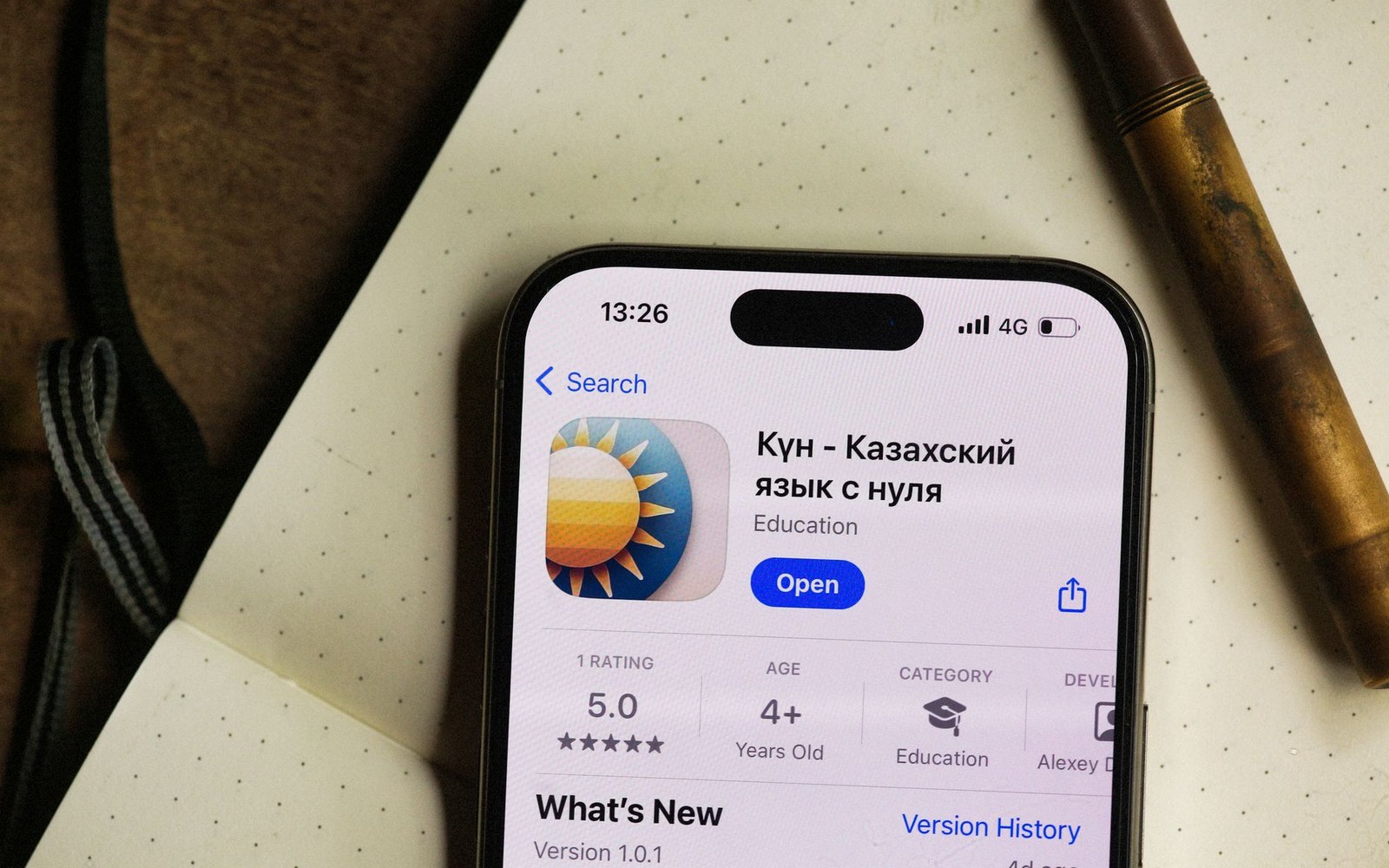
The commission is charged on the transaction, not the profit — and the exceptions were written by courts.
Photo: Alexey Demidov / PexelsThe Headline Rate and the Programmes That Cut It
Apple's App Store commission, set at 30 percent of qualifying transactions since the store's 2008 launch, appears in the company's App Store Review Guidelines and developer agreements and has remained the standard rate for sixteen years. Google's Play Store carries the same headline figure. Neither company invented the number — 30 percent traces to physical retail software distribution conventions that long preceded the smartphone era — but both have defended it through litigation, legislative hearings, and sustained regulatory pressure on three continents.
The 30 percent figure applies to in-app purchases of digital goods and services, subscriptions in their first year, and apps sold at a one-time price. It does not apply to physical goods, to reader apps that direct users to an external website, or to a growing category of exemptions that have accumulated through legal settlement and regulatory order. What the headline obscures is that the effective rate across the App Store's transaction base is substantially lower than 30 percent, because several large programme tiers apply a 15 percent rate.

A month, counted line by line.
Photo: Kampus Production / PexelsApple introduced the Small Business Programme in January 2021, reducing the commission to 15 percent for developers whose App Store revenue in the prior calendar year was under one million dollars. Enrollment requires a separate application; qualifying developers must remain under the threshold each year to retain the reduced rate and lose the discount for any year in which they exceed it. Google introduced a near-identical structure for the Play Store: 15 percent on the first one million dollars in annual revenue for all developers, without an application requirement, effective July 2021. Both companies announced the programmes as support for independent developers; the timing, during intense antitrust scrutiny, was not incidental.
Apple also operates a separate subscription rule: after a subscriber's first year, the commission on auto-renewing subscriptions drops to 15 percent regardless of the developer's overall revenue. The practical consequence is that a large streaming service with a multi-year subscriber base pays 15 percent on the bulk of its subscription revenue, not 30 percent, a distinction that rarely appears in the summary coverage the headline number generates.
| Standard rate | 30%, applying to digital in-app purchases, first-year subscriptions, and paid-app downloads; in force since 2008 |
| Small Business Programme rate | 15%, for developers earning under $1 million in the prior calendar year; requires annual application; introduced January 2021 |
| Subscription renewal rate | 15%, applied after a subscriber's first 12 months, regardless of developer revenue tier |
| Google Play equivalent | 15% on first $1 million in annual revenue for all developers (no application required), introduced July 2021 |
| EU alternative-distribution rate | 13% or 10% commission (by subscription tenure) plus a Core Technology Fee of €0.50 per annual install above 1 million; introduced 2024 |
What the Courtroom Added
The figures that appear in Apple's published developer agreements are rates; the figures that emerged from Epic Games v. Apple are margins. The distinction matters considerably.
Epic Games, the maker of Fortnite, filed suit against Apple in the Northern District of California in August 2020 after Apple removed the game from the App Store for violating its in-app purchase rules. Tim Sweeney, Epic's chief executive, had been publicly critical of platform commissions for years before the case was filed. The litigation reached a district court ruling from Judge Yvonne Gonzalez Rogers in September 2021 and a Ninth Circuit affirmation in April 2023. A certiorari petition to the Supreme Court was denied. Across that record, documents entered into evidence put Apple's internal economics on the record in ways the company's public communications had not.
A platform dashboard states the share in the same place it states the payout, which is why the published rate and the amount received can be compared at all.
Photo: Amar Preciado / PexelsTrial testimony and exhibits, as summarised in the district court's findings of fact, showed that the App Store operated at margins substantially above the 30 percent commission rate would imply, because Apple's costs of running the store were a fraction of the revenue it collected. Internal Apple documents cited in the proceedings indicated that the App Store's operating margin exceeded 70 percent in certain periods examined by the court — meaning the commission was not merely covering infrastructure and review overhead but generating profit well above those costs.
The court also found that games represented a disproportionate share of App Store revenue. Epic's argument relied in part on the premise that gaming constituted a distinct market, which the district court declined to accept as a standalone relevant market — but the revenue concentration figures entered into evidence made plain that Apple's commission income was heavily dependent on a category of apps where users make frequent small in-app purchases. A developer selling a five-dollar utility app on a one-time basis contributes a fraction of what a free-to-play game with active spenders generates over the same period.
- August 2020Epic Games files suit against Apple in the Northern District of California after Apple removes Fortnite
- September 2021District court ruling: Apple prevails on federal antitrust claims; one anti-steering injunction issued
- April 2023Ninth Circuit affirms the district court ruling
- December 2023 Jury finds Google liable inEpic v. Google; remedies requiring third-party app store access on Android follow later
- 2025District court finds Apple in violation of the anti-steering injunction over its fee structure for external-link transactions
Judge Gonzalez Rogers found against Epic on its federal antitrust claims, ruling that Apple had not been shown to hold a monopoly under the Sherman Act as properly defined. Apple prevailed on those counts. The one injunction that issued — requiring Apple to allow developers to include links to external payment options — was itself the subject of extended subsequent litigation over Apple's compliance, with the court finding in 2025 that Apple had violated the injunction through a fee structure it applied to external-link transactions.
The Google Parallel and the Fee Below the Fee
Google's Play Store structure follows the same broad architecture: a 30 percent standard rate, a 15 percent rate for qualifying revenue, and a 15 percent rate on subscriptions after the first year. Where the two platforms diverge is in the treatment of third-party billing. A jury found against Google in the Epic v. Google litigation in December 2023, and a subsequent court order required it to allow third-party app stores and alternative billing on Android devices. Apple's iOS platform has faced equivalent pressure from the European Union's Digital Markets Act, which designated Apple a gatekeeper in 2023 and required the company to permit alternative app distribution in the EU beginning in 2024.
The fee structures that have emerged from those regulatory and legal processes complicate the headline further. Apple's response to the EU Digital Markets Act introduced a Core Technology Fee of fifty euro cents per install per year for apps exceeding one million annual installs on iOS in the EU — a charge that applies regardless of whether the developer uses Apple's payment system. Developers distributing outside the App Store in the EU who use Apple's own in-app purchase system pay a reduced commission of 13 percent or 10 percent depending on subscription tenure, plus the technology fee. Developer advocacy groups such as the Coalition for App Fairness characterised the structure as replicating the economic effect of the original commission under different arithmetic.
What the commission rate alone never conveyed — and what the Epic litigation's documentary record made concrete — is that a platform's published take rate is a starting point for analysis, not a conclusion. The effective rate across a developer's revenue depends on programme eligibility, subscription tenure, transaction type, geography, and the specific version of the developer agreement in force at the time. The footnotes, in Apple's case, have turned out to carry more weight than the headline.
Every rate and figure on this page is attributed to the document that published it. The sources cited above:
- developer.apple.com
- courtlistener.com
- en.wikipedia.org
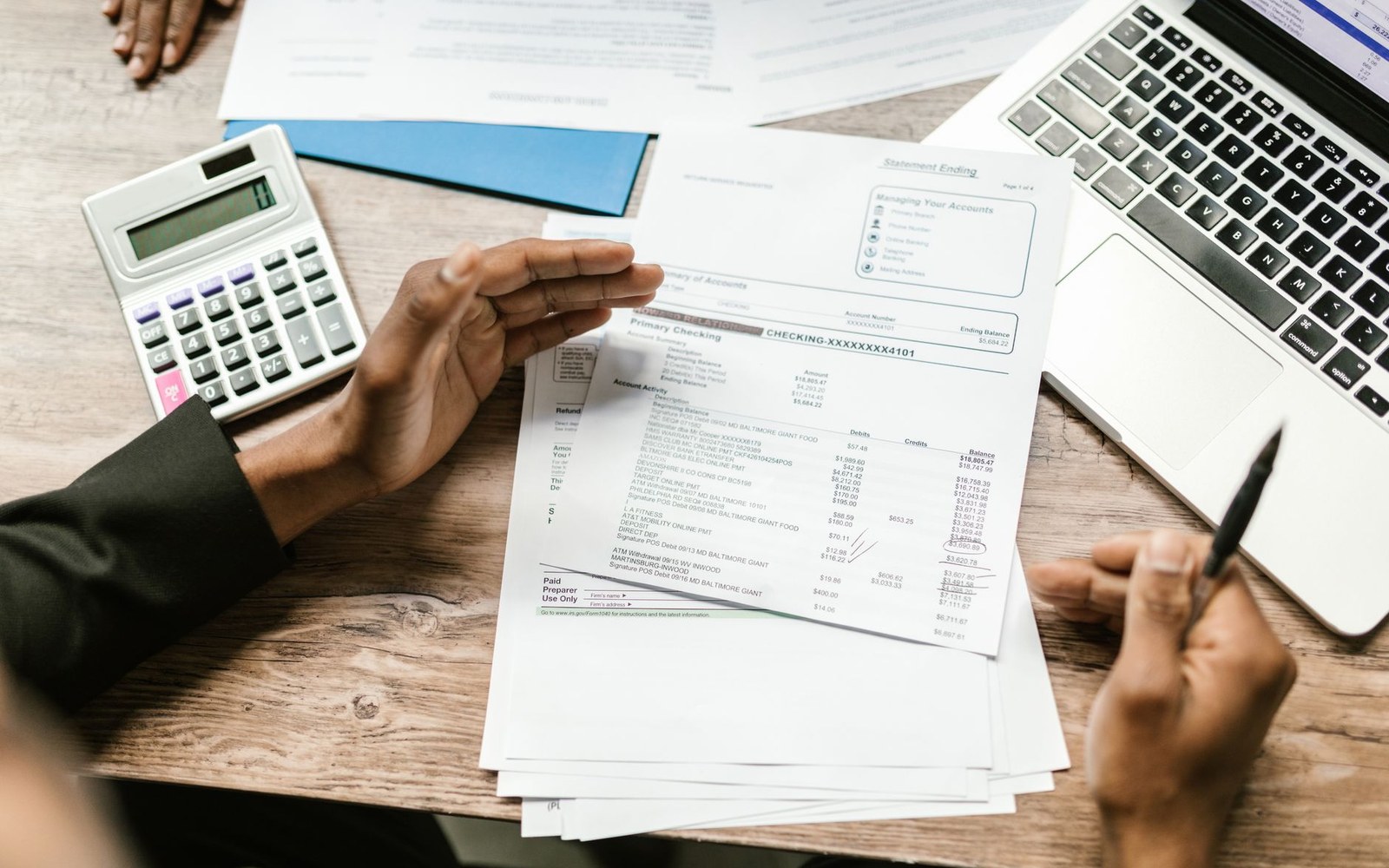
The deposit, after the platform’s cut.
Photo: RDNE Stock project / Pexels