Before the Federal Complaint, and After the Consent Order
State attorneys general have their own enforcement records on online earnings fraud — and in several cases they moved first, moved further, or moved after a federal settlement proved insufficient.

State consumer-protection statutes run alongside the federal record, sometimes ahead of it.
Photo: David Guerrero / PexelsWhen States Run Their Own Playbook
The Federal Trade Commission is not the only body with jurisdiction over deceptive earnings claims. Every state has a consumer-protection statute, and several attorneys general have built independent enforcement records against online money-making schemes — sometimes coordinating with the FTC, sometimes acting alone, and occasionally pursuing defendants who violated consent orders the federal agency already extracted.
The Arkansas attorney general's office brought action against the gifting-circle operation Blessings in No Time in 2019, before the FTC filed its own complaint. The state's Deceptive Trade Practices Act provided a parallel track: state counsel could seek civil penalties and injunctive relief under Arkansas law without waiting for the federal proceeding to conclude. The FTC's eventual action in the Northern District of Texas named the same scheme and ultimately obtained a court order shutting it down, but the Arkansas filing established state jurisdiction early and signalled to operators that federal inaction in the short term does not mean immunity.

The relief the filing asked for.
Photo: RDNE Stock project / PexelsMinnesota's attorney general has been active on high-ticket coaching and business-opportunity fraud. The office filed against online business-coaching operations citing Minnesota's Prevention of Consumer Fraud Act and Uniform Deceptive Trade Practices Act, statutes that allow the AG to seek restitution for consumers without requiring individual plaintiffs to come forward. Because many coaching programmes sell to buyers across dozens of states simultaneously, multi-state AG coalitions have become a common enforcement vehicle — a single coordinated filing signed by attorneys general from several states, sharing discovery and splitting defendant assets recovered under consent decrees.
The MOBE and Digital Altitude matters, which the FTC litigated federally in 2018, also drew state-level attention. When the FTC's receiver began recovering assets from MOBE's seized accounts, state AGs with harmed residents filed claims against the receivership estate to direct restitution to their own consumers under state restitution frameworks. That process is distinct from independent state enforcement — it is state law operating inside a federal equitable proceeding — but it illustrates how state authority attaches at multiple points, not only at initiation.
| Federal complaint | parallel track state attorneys general can open simultaneously, or before, FTC action |
| Consent order | the settlement instrument; state courts issue these independently of federal decrees |
| Receivership estate | the pool of seized assets managed by a court-appointed receiver; state AGs file claims to direct restitution to state residents |
| Contempt proceeding | action against a defendant who violates an existing court order; can escalate to criminal referral under state fraud statutes |
The Contempt Dimension
The most consequential state enforcement moments have often come after a federal or state consent order is already in place. A defendant who signs a settlement agreeing to cease deceptive earnings claims, then continues making them under a rebranded entity or through affiliates, can face contempt proceedings — and state courts have proved willing to impose sanctions that exceed the original civil penalty.
In contempt postures, state judges have held defendants personally liable, ordered asset freezes, and in several documented instances referred matters for criminal prosecution under state fraud statutes. This escalation path — civil enforcement, consent order, contempt, criminal referral — is structurally available under state law in most jurisdictions, and FTC guidance on earnings claims explicitly notes that state partners retain independent authority to prosecute violations regardless of federal resolution.

The filing, opened.
Photo: Kindel Media / PexelsThe practical implication for the enforcement record is that a scheme with a federal settlement is not necessarily closed as a matter of state law. Defendants who interpreted FTC consent decrees as full resolution have faced subsequent state AG actions — sometimes years later — when evidence of continued conduct surfaced.
State enforcement also covers territory the FTC has, at various moments, been slow to reach: the FTC's rulemaking calendar is long and its litigation resources finite. State AGs filing under existing statutes face fewer procedural constraints on timing. For researchers tracking the full distribution of enforcement actions against online earnings schemes, the state record is a necessary complement to the federal docket — not a footnote to it.
- 2018FTC actions against MOBE and Digital Altitude; state AG restitution claims filed against receivership estates
- 2019Arkansas AG files against Blessings in No Time under state Deceptive Trade Practices Act; FTC action follows
- 2021FTC issues Notice of Penalty Offenses on earnings claims; state partners affirmed as holding independent authority
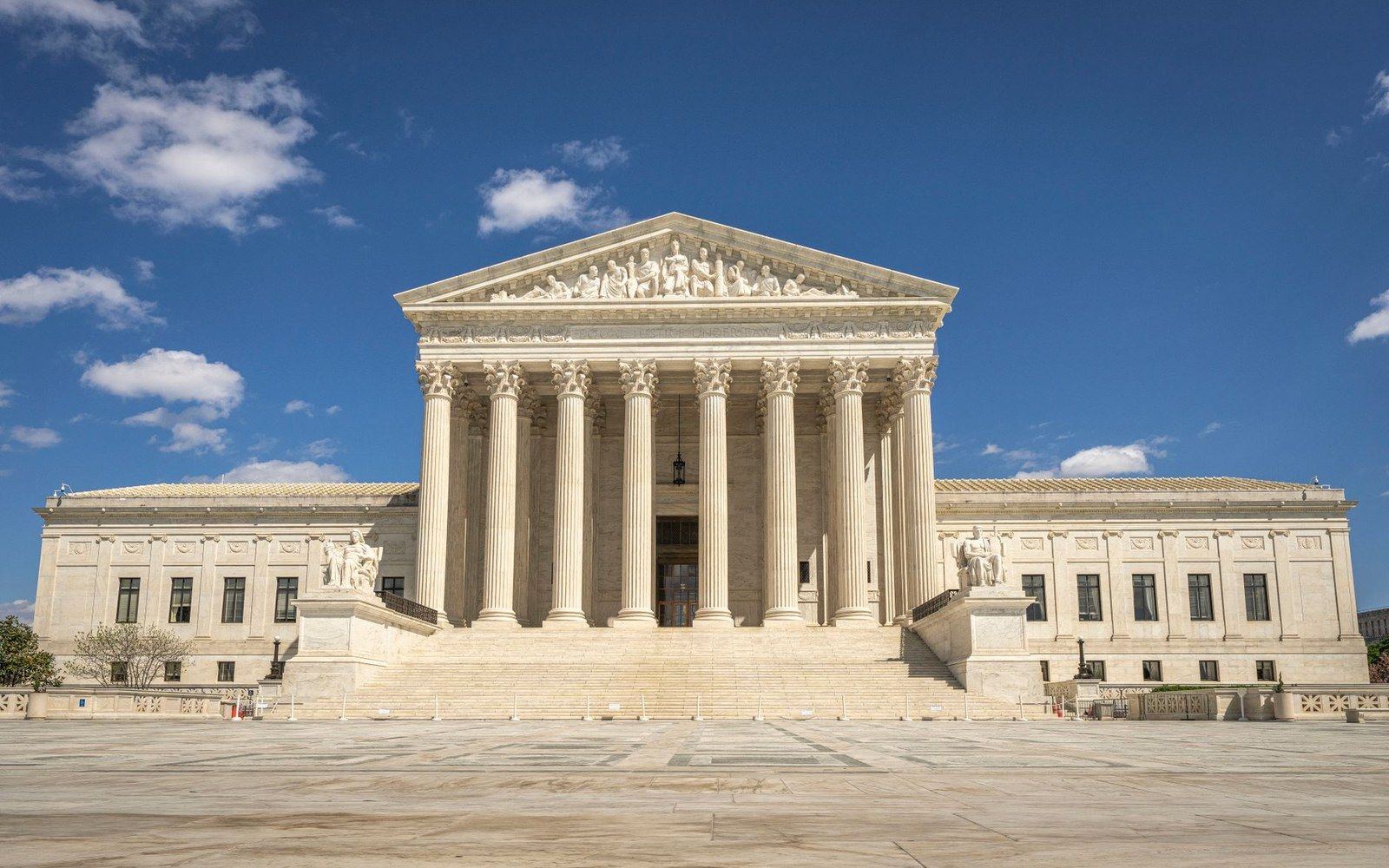
The court that issued the order.
Photo: Mark Stebnicki / Pexels